
Guest Entertainment and Hospitality TV Systems
If you’re evaluating your property’s in-room entertainment system, you’ve probably discovered that the options have changed dramatically in recent years. Live TV is still an important amenity. However, today’s guests also expect streaming apps, casting, and seamless connectivity that feels as familiar as home.
As technology has evolved, so have the questions hotel owners and operators ask when planning an upgrade. Our sales and support teams hear many of the same questions every day. Some involve new technologies that hoteliers don’t yet understand well. Others stem from assumptions that were true years ago but no longer reflect today’s hospitality entertainment platforms.
This is the first article in a two-part series addressing those questions. Here, we’ll focus on the guest experience, from streaming apps and channel lineups to casting and gaming devices. We’ll also address what happens when Wi-Fi goes down. In Part 2, we’ll explore the technology, infrastructure, and implementation decisions that make those experiences possible.
What streaming apps can hotel guests access?
Hoteliers frequently ask us whether hotel TVs can really offer the same streaming flexibility guests have at home. In-room entertainment is no longer limited to live television. Many travelers want to continue watching their favorite shows, movies, and sports using the streaming services they already subscribe to.
Fortunately, today’s hotel entertainment platforms support many of the streaming apps guests use every day. The details depend on the platform, TV model, operating system, geographic region, and content licensing. Guests may be able to access popular services such as Netflix, Prime Video, YouTube, Disney+, and many others.
For example, WorldVue HUB® supports a wide range of popular streaming applications, including international streaming services. DISH Business OnStream® includes Netflix, Disney+, YouTube, and access to more than 1,000 additional apps through the Google Play Store.
Available apps may vary by platform, TV model, property configuration, licensing requirements, and brand standards. It’s important to discuss app availability during the planning process rather than assuming every platform supports the same services.
Hotels may also have the option to enable or disable certain native apps based on their preferences. Some premium services require a separate property subscription. Brand standards may also dictate which applications are available at a particular property.
Another common question is whether today’s platform will still meet guest expectations several years from now. In many cases, the answer is yes. As platforms evolve and new services become available, properties can add supported apps.
The most important takeaway is that today’s hospitality entertainment platforms are designed to evolve alongside guest expectations rather than remaining fixed for years after installation. When evaluating an entertainment platform, it’s worth asking not only which apps are available today, but how easily the platform can adapt as guest expectations continue to evolve.
How many TV channels does a hotel really need?
It’s easy to assume that offering more channels automatically creates a better guest experience. In reality, that’s rarely the case.
Most guests regularly watch only a relatively small group of channels during their stay. This typically includes familiar news, sports, entertainment, and children’s channels. Rather than paying for an oversized lineup that few guests will use, many hotels benefit from building a programming package that reflects their property’s location, guest demographics, brand standards, and budget.
Modern hospitality television systems can support extensive channel capacity. However, the goal isn’t simply to maximize the number of available channels. It is to provide the channels guests actually expect to find while balancing programming costs and operational efficiency.
As guests increasingly turn to their own streaming subscriptions for movies and series, thoughtfully selected live TV programming often delivers greater value than simply adding more channels. Sporting events, local news, and children’s programming often matter more to guests than offering the largest possible channel lineup.
When planning a new television deployment or refresh, it’s worth discussing not only how many channels a system can support, but which channels will provide the greatest value for your guests. A thoughtful programming strategy can also help control recurring programming costs without compromising the guest experience.
With our 25+ year partnership with DISH Business, the Smartbox2 can offer over 180 channels. However, we typically see 40-60 channel lineups including standard channels. Properties often add a few select international options, depending on the property’s guest demographics and location.
Do guests need separate devices to cast content?
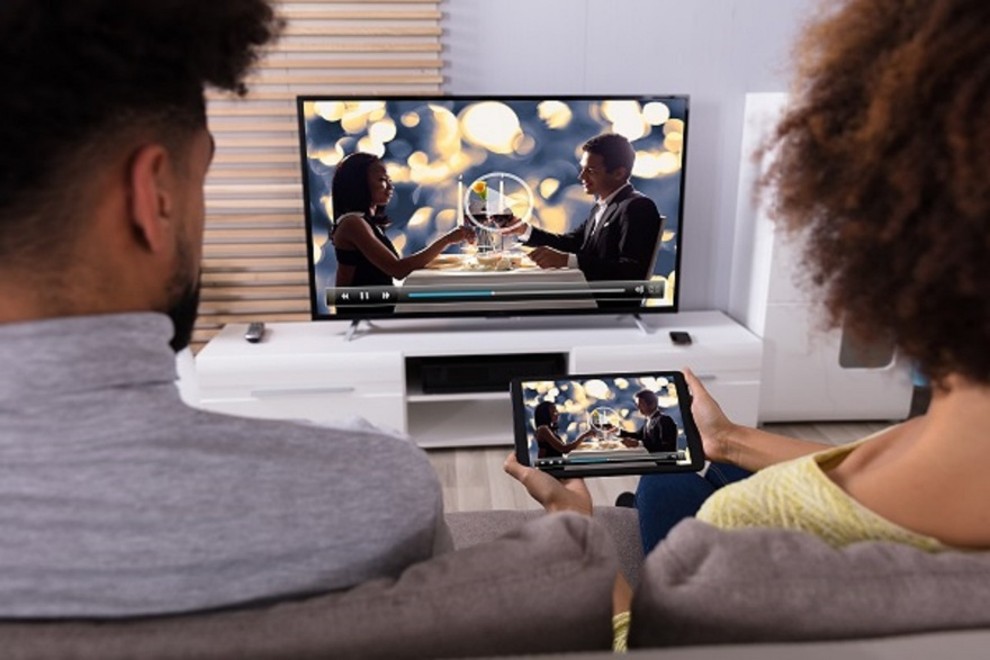
Casting has quickly become one of the most requested features in hotel guest rooms. Travelers increasingly expect to watch content from their own devices without bringing extra cables or logging into unfamiliar equipment.
Many modern hospitality entertainment platforms now include casting as a native feature. WorldVue HUB enables guests to securely stream content from compatible mobile devices directly to the in-room television. This eliminates the need for separate casting hardware while providing a familiar viewing experience.
Just as important, hospitality casting solutions like WorldVue HUB and Onstream are designed with guest privacy in mind. Connections are associated with the individual guest’s stay and can be cleared automatically at checkout. This helps protect personal information while simplifying the experience for the next guest. As a result, guests can enjoy the convenience of using their own subscriptions without leaving account credentials behind after checkout.
For hoteliers, native casting also reduces equipment complexity and maintenance compared to managing separate casting devices throughout the property. It also reduces support requests related to guest entertainment, allowing staff to spend less time troubleshooting technology issues.
Can guests connect gaming consoles and personal devices?
Many hoteliers assume gaming consoles and streaming devices create support headaches. However, guests increasingly expect to use their personal devices just as they would at home. For example, a family might want to connect a Nintendo Switch; a business traveler may bring a streaming stick.
Most hospitality TVs include an available HDMI input that allows guests to connect compatible devices directly to the television.
The bigger challenge has traditionally been getting those devices online. Unlike smartphones or laptops, many gaming consoles and streaming devices don’t interact well with captive portals. This makes Wi-Fi access frustrating for guests and time-consuming for hotel staff.
Modern hospitality networks are designed to reduce that friction. WorldVue’s guest connectivity solutions, for example, simplify internet access for many personal devices while maintaining network security. That means a better experience for guests and fewer technology-related service calls for hotel staff. Learn more about how this works in our recent article Simplify Guest Device Connectivity and Reduce Friction.
What sports and specialty programming should hotels offer?
Sports programming remains one of the most important factors in guest satisfaction. This is particularly true during major sporting events and at properties that attract business travelers or extended-stay guests.
Imagine a guest returning to their room after dinner to watch the local team’s playoff game. If they can’t find it, the number of available channels won’t matter.
Many hoteliers ask specifically about regional sports networks. Availability depends on the property’s location, programming provider, and selected package. However, modern hospitality television systems offer considerable flexibility when building a channel lineup.
Instead of simply choosing the largest package available, it can be more effective to develop a lineup that reflects your property’s guest demographics and viewing habits. A select service hotel that primarily serves business travelers, for example, may prioritize news and national sports coverage. In contrast, a resort or destination property may benefit from a broader mix of entertainment and family programming.
Major sporting events, local teams, and popular national broadcasts often drive guest satisfaction more than simply offering the largest possible channel lineup.
During the planning process, it’s worth working with your entertainment provider to build a channel lineup that balances guest expectations, programming costs, brand standards, and regional availability rather than simply recommending the largest package.
What happens to hotel TVs if the Wi-Fi goes down?
Few questions create more concern than this one, and understandably so. As guest rooms become more connected, it’s easy to assume that losing internet connectivity also means losing television service.
In most cases, that’s not what happens.
Guests can typically continue watching live television even if the property’s Wi-Fi experiences an interruption. Features that depend on an internet connection, however, such as streaming apps and casting, will generally be unavailable until connectivity is restored.
Designing entertainment systems with this separation in mind improves resilience. It also ensures guests can continue to access television programming, even if network issues temporarily affect other connected services.
For hotel owners and operators, this also underscores the importance of viewing guest entertainment and network infrastructure as complementary technologies. Both contribute to the guest experience, but they don’t always rely on the same components to function. Understanding that distinction can help hotels prioritize technology investments while maintaining a reliable guest entertainment experience.
Looking Ahead to Part 2
The guest experience is only one side of the equation. Many questions in Part 1 ultimately come down to technology decisions guests never see but hotels have to make.
Behind every successful in-room entertainment system are important technology decisions that affect performance, flexibility, security, and long-term value. Understanding those decisions can help hotels avoid unnecessary costs while building an entertainment platform that meets both current and future guest expectations.
In Part 2, we’ll answer more common questions we hear about hospitality TV technology and infrastructure, including:
- The difference between IPTV, OTT, and set-top boxes.
- How WorldVue HUB and DISH Business OnStream fit into a hotel’s entertainment strategy.
- Why hospitality-grade TVs and Pro:Idiom matter.
- Whether you can keep your existing TV provider.
- Satellite reliability and common misconceptions.
- How PMS integrations enhance the guest experience.
Ready to evaluate your hotel’s guest entertainment strategy?
Every hotel has unique guest expectations, operational priorities, and existing technology investments. The right entertainment solution isn’t simply the one with the longest feature list. It’s the one that best supports your guests, staff, brand requirements, and long-term business goals.
Are you planning a complete technology refresh or simply exploring options for improving the in-room experience? Understanding the available technologies is the first step toward making an informed decision.
If you’re evaluating your property’s entertainment strategy, the WorldVue team can help you assess your current environment, evaluate your options, answer your questions, and identify solutions that align with your operational goals and guest experience objectives.