
Hotel TV Technology, Programming, and Infrastructure
In Part 1 of this series, we focused on the guest experience, from streaming apps and casting to channel lineups and personal devices. Those are the features hotel guests use every day.
Behind the scenes, however, important technology decisions determine how well those features perform, how easily properties can manage them, and how adaptable they’ll be as guest expectations continue to evolve.
Our sales and support teams hear questions from hotel owners and operators evaluating new entertainment systems or planning upgrades. Some of the terminology can seem confusing, while other questions stem from assumptions based on older hospitality TV systems.
In this second article, we’ll answer some of the most common questions we hear about the technology, infrastructure, and integrations that support today’s in-room entertainment experience.
What’s the difference between IPTV, OTT, and set-top boxes?
Many hoteliers are familiar with the term free-to-guest (FTG) television. This refers to the television service a hotel provides to guests at no additional charge. IPTV, OTT, and set-top boxes aren’t alternatives to FTG. They’re technologies that hotels can use to deliver or enhance that free-to-guest television experience.
Hotels can use IPTV (Internet Protocol Television) to deliver FTG television services over an IP network instead of traditional broadcast methods. Modern hospitality IPTV systems can distribute live television, interactive services, and other content throughout the property.
A set-top box (STB) is the hardware that connects the television to the entertainment platform when needed. Depending on the property’s technology strategy, some hotel TV systems use external set-top boxes. Others integrate many of these capabilities directly into hospitality TVs.
OTT (Over-the-Top) refers to internet-based streaming services such as Netflix, YouTube, or Disney+. Unlike FTG television, OTT content typically comes from the guest’s own streaming subscriptions. Depending on the platform, hotels may also provide native streaming apps directly on guest room TVs.
In short, FTG describes the television service guests receive. IPTV and set-top boxes describe some of the technologies used to deliver that experience. OTT is an enhancement to it. Although these technologies can work together, they serve different purposes. Understanding the terminology can make it easier to evaluate entertainment platforms and compare solutions during the planning process.
How do WorldVue HUB and DISH Business OnStream work together?
One question we hear frequently is whether hotels need to choose between WorldVue HUB® and DISH Business OnStream®. In many cases, the answer is no.
While both support the guest entertainment experience, they serve different roles. DISH Business OnStream primarily delivers television programming, streaming apps, and casting capabilities with a branded guest interface. WorldVue HUB provides streaming, casting, and branded guest interfaces that our creative team can fully customize. Entertainment HUB also has a web-based remote and an advertising platform, Compass, that comes standard with HUB.
Depending on a hotel’s goals and brand standards, WorldVue can help propose the best solution.
Can I keep my existing TV provider?
Hoteliers often assume that upgrading the guest experience means replacing their existing television provider. But often, that’s not the case.
Depending on your property’s current environment and goals, it may be possible to keep your existing television programming while adding a modern guest interface and interactive features through WorldVue HUB. We call that an overlay. That approach can help hotels enhance the in-room experience without replacing every component of their existing television infrastructure.
When evaluating your options, it’s worth discussing not only what needs to change, but also what’s already working well. Sometimes, building on your existing investment can provide the right balance of guest experience, operational efficiency, and cost.
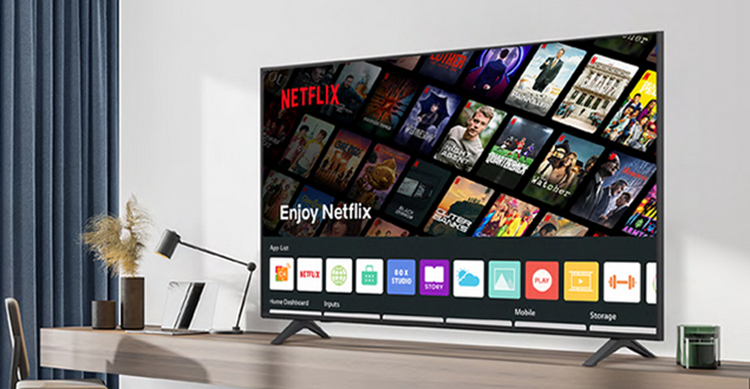
Can hotels use consumer TVs instead of hospitality TVs?
At first glance, consumer televisions often appear to offer similar features at a lower purchase price. That’s why hoteliers ask whether they can purchase televisions from a retail store instead of investing in hospitality models.
The short answer is that hospitality environments have different requirements than residential ones. Therefore, we would suggest investing in hospitality-grade TVs.
Consumer TVs are designed for individual households, where each television operates independently. Hotels, however, need televisions they can manage consistently across dozens or even hundreds of rooms. Hospitality televisions support features such as centralized configuration and remote management.
Hospitality TVs also include other features designed specifically for hotels, such as customizable startup screens, guest setting resets at checkout, and compatibility with hospitality entertainment platforms. They also include commercial-grade components and warranties that reflect the demands of continuous operation.
Another important consideration is future flexibility. Hospitality TVs work with technologies such as Pro:Idiom encryption and modern entertainment platforms. These make it easier to adapt as guest expectations and brand standards evolve.
Although consumer TVs may appear less expensive initially, total cost of ownership can differ significantly once you factor in management, maintenance, replacement, and compatibility.
When evaluating a new television deployment, consider not only the initial purchase price but also long-term compatibility, security, manageability, and guest experience. Choosing hospitality-grade TVs from the outset can help avoid costly limitations later.
Why do hospitality TVs use Pro:Idiom?
One of the most common questions we hear is whether hotels really need hospitality-grade TVs with Pro:Idiom®. What exactly does that technology add?
Pro:Idiom is the hospitality industry’s standard content encryption technology. It helps protect licensed premium television programming from unauthorized access and lets hotels securely display encrypted HD content from participating programming providers.
Without Pro:Idiom support, many hospitality television systems cannot properly deliver premium programming to guest rooms.
Is satellite TV still reliable for hotels?
Many people associate satellite television with residential installations from years ago and wonder whether weather or signal interruptions could affect the guest experience.
However, commercial satellite systems for hospitality settings operate very differently from residential offerings.
Cable or fiber providers rely on local infrastructure and regional distribution facilities. Satellite television delivers programming directly to the property, then distributes it through the hotel’s internal television system. As a result, local outages, fiber cuts, or regional infrastructure issues interrupt satellite signals less.
Commercial satellite equipment is also engineered specifically for business environments and designed to withstand challenging weather conditions. According to DISH Business, its commercial satellite service delivers approximately 99% signal reliability nationwide. This level of reliability helps hotels maintain a consistent television experience even when local cable or fiber infrastructure experiences disruptions.
While reliability is an important consideration, it’s only one factor when evaluating a television provider. Hotels should also consider programming options, ongoing support, compatibility with their entertainment platform, and long-term operational needs.
How do PMS integrations improve the guest experience?
When people hear the term “PMS integration,” they often think of it as an IT feature. In reality, it directly affects the guest experience.
When evaluating entertainment platforms, hoteliers should ask not only whether a property management system (PMS) integration exists, but also what functionality that integration actually enables.
A PMS integration enables the entertainment platform to exchange information securely with the hotel’s PMS. Depending on the property’s configuration, that can support personalized welcome screens, guest name recognition, loyalty information, automated credential clearing at checkout, and other features that make the in-room experience feel more seamless.
WorldVue’s entertainment solutions currently integrate with more than 35 leading property management systems. We can often develop additional integrations as customers’ needs evolve. More information about current integration partners is available on the WorldVue Partners page.
For hotel staff, integrations reduce manual administration and help ensure that guest information is presented accurately throughout the stay. For guests, the technology feels more personalized and intuitive.
Bringing It All Together
Modern hotel entertainment systems involve far more than televisions and channel lineups. Behind every guest interaction are technology decisions that affect reliability, flexibility, operational efficiency, and the overall guest experience.
As we’ve explored throughout this two-part series, many of the questions hoteliers ask aren’t really about products. They’re about understanding how different technologies work together, how guest expectations continue to evolve, and how to make informed investment decisions that will serve the property for years to come.
Together, these two articles cover many of the questions our sales and support teams hear every day. Every property has unique requirements. Understanding these fundamentals can help you ask better questions and make more informed technology decisions.
Whether you’re refreshing an existing system or planning a new deployment, taking the time to understand these considerations can help you select an entertainment strategy that supports both your operational goals and your guests’ expectations.
Ready to evaluate your property’s entertainment strategy?
Every hotel has unique guest expectations, operational priorities, existing infrastructure, and brand requirements. The right guest entertainment solution isn’t simply the one with the longest feature list. It’s the one that best supports your guests, your staff, and your long-term business goals.
If you’re evaluating your property’s entertainment strategy, the WorldVue team can help. We’ll assess your current environment and answer your questions. Then we’ll identify solutions that align with your operational goals and guest experience objectives. Contact us to learn more about how we can assist you in improving your guest entertainment experience.